Château d’Auvernier and Its Terroir
VitiSuisse Pronatura Integrated Production Label. Currently transitioning to organic farming. More than half of the electricity is generated on-site.
Château d’Auvernier does not treat sustainability as a separate department. Energy choices, certifications, and the management of winemaking waste—all of this has developed gradually.
Certifications that involve real constraints
The entire estate is certified under the “Integrated Production and Sustainable Development” label in accordance with the VitiSuisse Pronatura specifications. This certification requires specific practices regarding soil management, the use of plant protection products, and biodiversity. The estate is currently in the process of converting to organic farming—a process that takes several years and involves the entire production chain, from the vineyard to the winery.
On-site Energy Generation
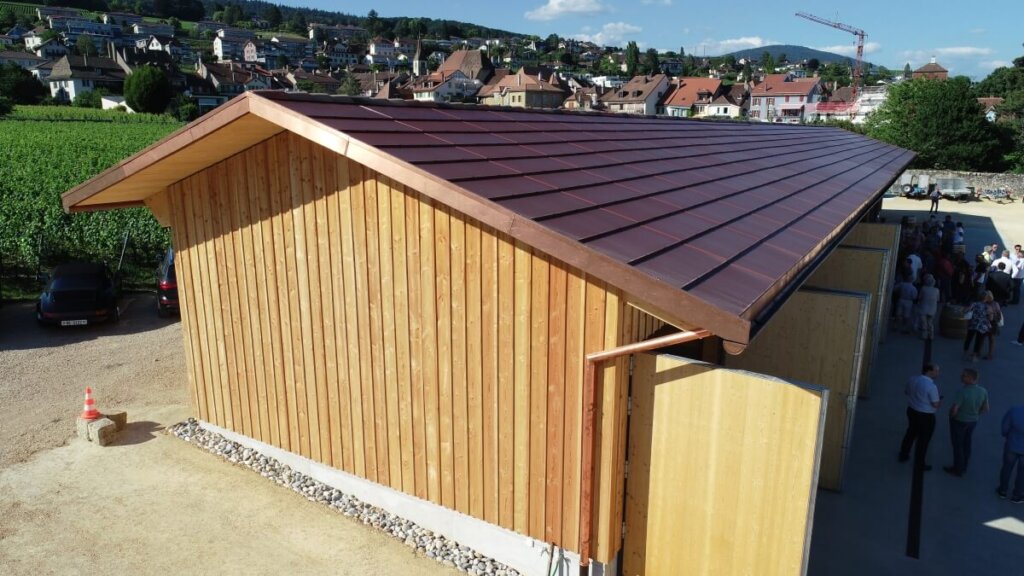
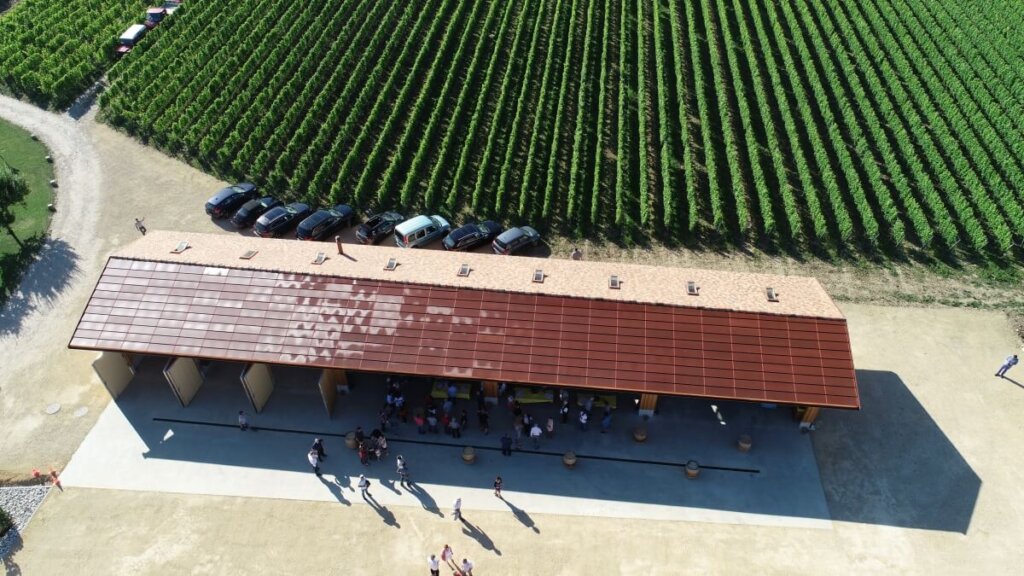
The vine shoots and trunks from pruning fuel the heating system—80% of the needs are met by this on-site fuel. Electricity follows the same principle: solar panels cover more than half of the estate’s consumption. The nitrogen used in the cellar is produced on site. The pipes are disinfected with steam, without the use of chemicals.
The 80% heating system operates at the vineyard. More than half of the electricity comes from solar panels installed on the estate.
Fermentation lees are converted into natural gas
The sludge is delivered to the Milvignes wastewater treatment plant, where it is used to produce natural gas through anaerobic digestion.
Wine production generates byproducts. Fermentation lees—residues of yeast and suspended solids—are collected and delivered to the wastewater treatment plant in the town of Milvignes, which incorporates them into its anaerobic digestion process to produce natural gas. What comes out of the winery thus becomes a resource for the town’s residents.